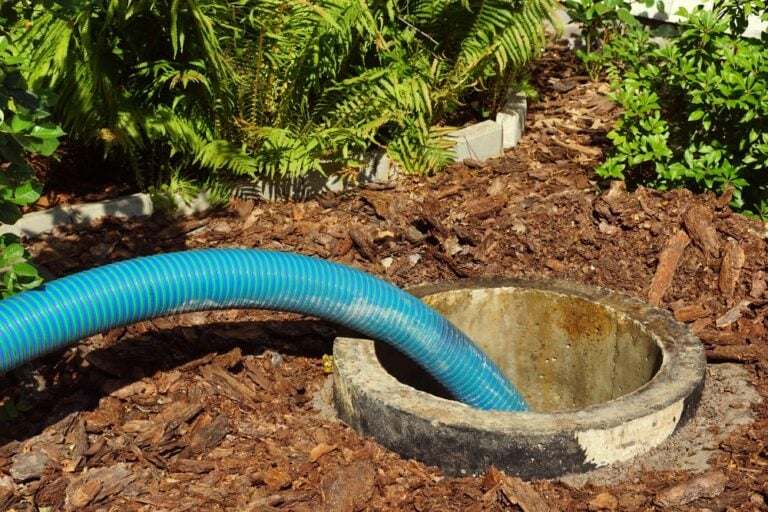
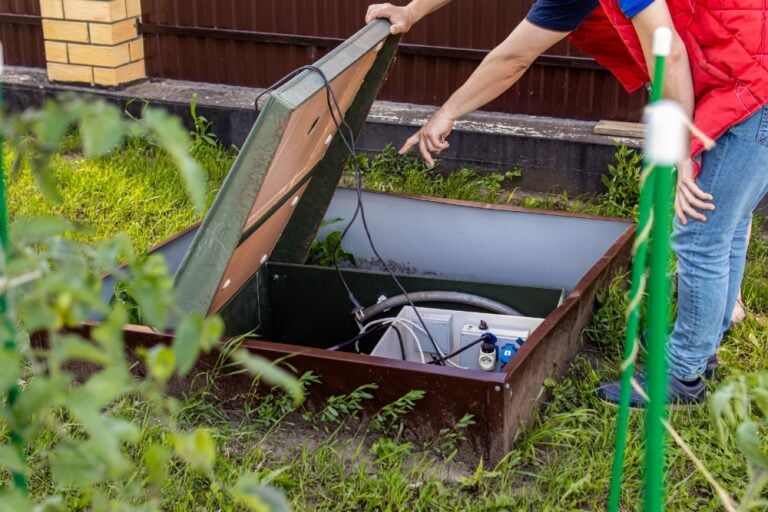
A well-functioning septic system poses no real threat to the environment. It treats wastewater on site and disperses it safely into the soil, where natural processes finish the job. A failing one is a different story. When a septic system stops working properly, it can leach nutrients, bacteria, and chemicals into the groundwater, and on a rural Central Coast property, that groundwater might be feeding your own bore, your neighbors’ drinking water, or a nearby creek.
This guide covers the signs that a septic system may be affecting groundwater, what that contamination involves, and your obligations under NSW guidelines as the property owner.
How a Failing Septic System Reaches Groundwater
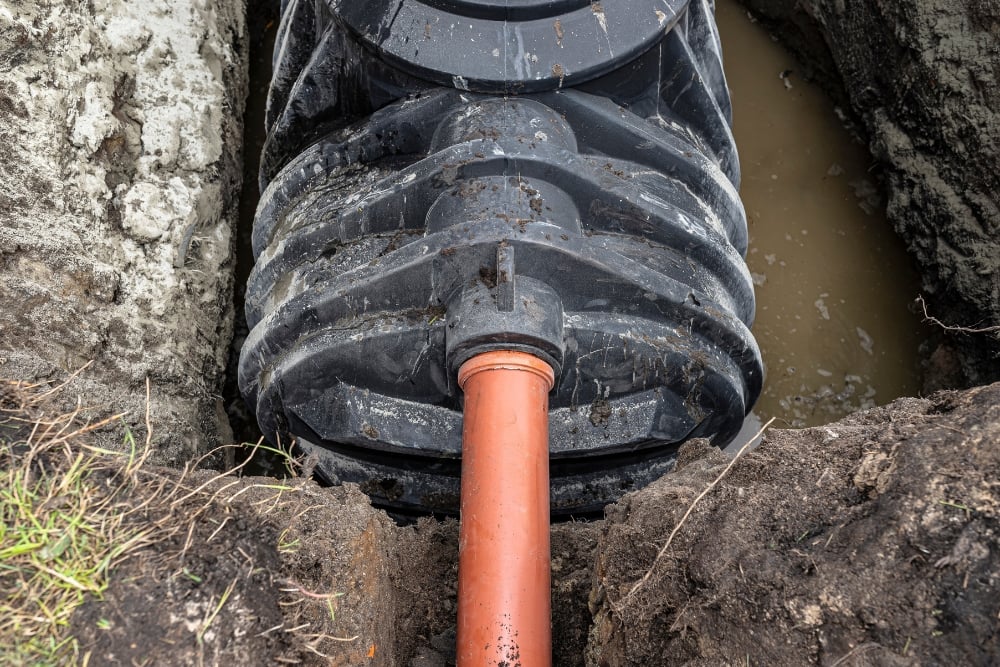
A septic system is designed to keep wastewater contained and treated. The tank separates solids and begins breaking down waste, and the absorption trenches release the partially treated effluent into the soil, where bacteria and the soil itself filter out the remaining contaminants before the water reaches the water table.
That filtration process depends on the system working as designed. When it doesn’t, untreated or partially treated effluent can move through the soil too quickly or in too great a volume for the ground to handle. The contaminants then continue down into the groundwater rather than being filtered out along the way. On properties with shallow water tables or fractured bedrock, which occur in parts of the Central Coast Hinterland, this can happen faster than people expect.
What Actually Ends Up in the Groundwater
When a system fails, the contaminants that can reach groundwater include:
- Nitrates and phosphorus, the nutrients in effluent that, in high concentrations, feed algal blooms in creeks and waterways and harm aquatic life
- Harmful bacteria and viruses, which pose a direct health risk if they reach drinking water
- Household chemicals flushed into the system, including traces of medicines, cleaners, solvents, and anything else poured down the drain
Even small amounts of some of these can affect environmental and public health. The point of a functioning septic system, and of the regulations around it, is to keep these out of the water that people and ecosystems rely on.
Warning Signs Your System May Be Affecting Groundwater
Groundwater contamination isn’t something you can see directly, but a struggling septic system gives off signs above ground first. These are worth taking seriously:
Signs at the System Itself
- Soggy, spongy, or constantly wet ground above the absorption trenches, even in dry weather
- Unusually lush, fast-growing, or vivid green grass over the trench area, fed by the nutrients in escaping effluent
- Effluent or wastewater pooling or surfacing on the ground
- Persistent sewage smells around the tank or trench area
Signs in Nearby Water
- A change in the taste, smell, colour, or clarity of bore water
- Algal growth or unusual plant growth in a dam, creek, or waterway downhill of the system
- Multiple households in the area on bore water noticing similar changes
If you’re on bore water and notice any change in its quality, don’t treat it as something to wait and see on. Stop using it for drinking until you know it’s safe, and arrange water testing. NSW Health and accredited laboratories offer bore water testing that checks for bacterial and chemical contamination, and this is the only reliable way to know whether your water is safe rather than guessing from taste or appearance.
Why Location and Separation Distances Matter
A big part of protecting groundwater is where the system sits in relation to water sources. NSW guidelines set minimum separation distances between a septic system and features like bores, wells, creeks, dams, and houses. As a general guide, systems should be located at least 100 metres from permanent surface waters such as rivers, streams, and lakes, with set distances from bores and property boundaries as well.
These distances exist because they give the soil enough room to filter effluent before it can reach a water source. If your system was installed long ago, or without proper approval, it may not meet current separation requirements. On an older rural property, this is worth understanding, particularly if your bore or a waterway sits close to the trench area.
Your Obligations Under NSW Guidelines
In NSW, onsite wastewater systems are regulated under the Local Government Act 1993, and councils administer this using the state’s Onsite Wastewater Management Guidelines. As the property owner, you’re responsible for keeping your system operating safely and not allowing it to contaminate the environment.
Allowing untreated wastewater to reach waterways or groundwater is a form of non-compliance. The consequences can include fines from your local council or the EPA, and official notices that legally require you to fix the problem within a set timeframe. Beyond the regulatory side, there’s the simple responsibility of not contaminating water that your household, your neighbours, and the local environment depend on.
You can read the state guidelines through the NSW Office of Local Government, and your local council can tell you the specific requirements that apply to your property.
How to Protect Your Groundwater
The good news is that the things that protect groundwater are the same things that keep your septic system healthy and your maintenance costs down. A system that’s looked after simply doesn’t leak contaminants the way a neglected one does.
Keep Up With Pump Outs
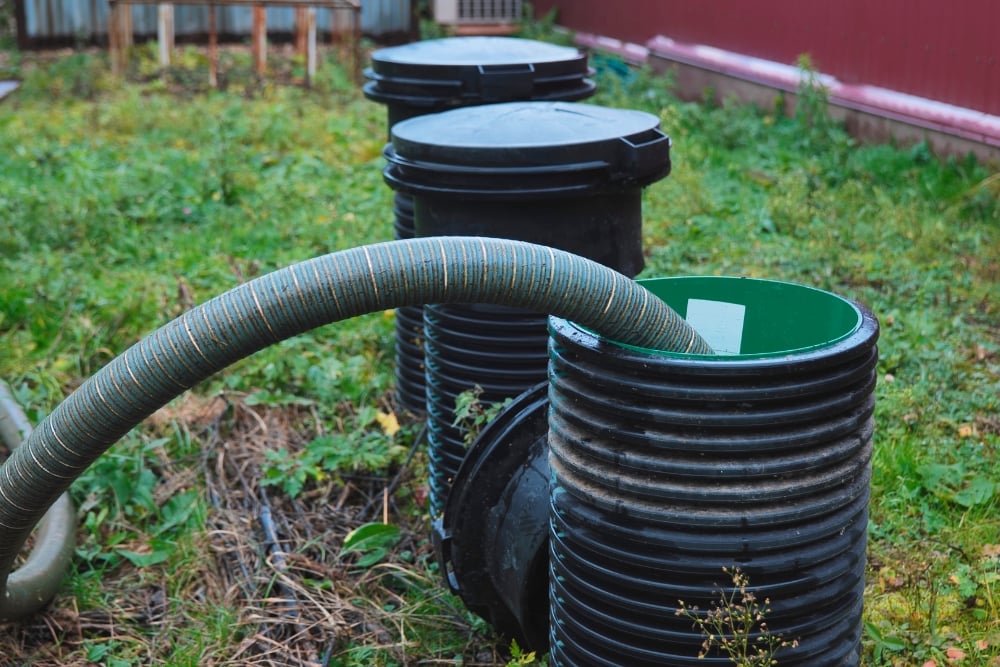
Regular pump outs every three to five years stop solids from building up to the point where they escape into the trenches and overload the soil’s ability to filter. This is the single most effective thing you can do to keep effluent properly treated before it reaches the ground.
Look After the Absorption Trenches
The trenches do the final filtering, so their condition directly affects groundwater. Watch for the warning signs above, keep heavy vehicles and deep-rooted trees off the area, and address absorption trench problems early before a struggling trench becomes a failed one leaking effluent.
Mind What Goes Down the Drain
Every chemical you keep out of the system is one that can’t end up in the groundwater. Go easy on harsh cleaners and bleach, never pour solvents, paints, or unused medications down the drain, and keep fats and non-biodegradable items out. This protects both the bacteria your system relies on and the water beneath your property.
Get Your System Assessed
If you have any concern that your septic system might be affecting your groundwater, or you simply want peace of mind on a rural property, a professional assessment is the place to start. A specialist can check the tank and trenches, identify whether the system is performing as it should, and flag anything that needs attention before it becomes an environmental problem.
A tank clean out and inspection is often the clearest way to see how the system is really tracking. For a thorough assessment across the Central Coast and Hunter Valley, a Ward Septics septic tank cleaning audit covers the tank, the trenches, and the system’s overall health. Get in touch for an obligation-free quote, or call Paul on 0438 315 514.
This article is general information about septic system maintenance and the environment. If you suspect your drinking water may be contaminated, stop using it and arrange testing through NSW Health or an accredited laboratory.