
Septic System Contamination
How to Avoid Septic System Contamination
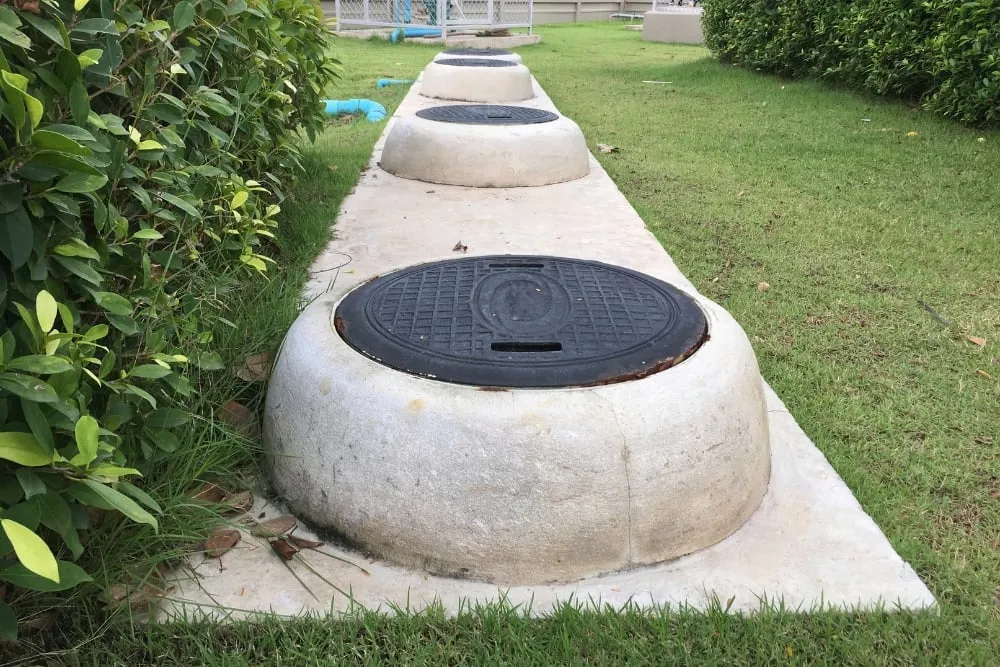
Septic systems are often ignored until problems occur. But contamination doesn’t start with flooding or odour, it builds up quietly through unnoticed changes in use, system age, or soil conditions. Left unaddressed, wastewater can spread into soil, waterways, or even the home’s internal plumbing.
This type of contamination isn’t just unpleasant. It creates health risks, affects property value, and may lead to environmental fines. Early warning signs are not always obvious, which is why prevention through consistent care is critical.
Many homes on the Central Coast rely on on-site septic systems. These setups need basic monitoring to avoid overflow, damage, or unsafe wastewater seepage. With the right information, homeowners can identify potential causes, check for symptoms, and apply proven prevention steps.
This article explains what septic contamination is, how it happens, and what you can do to reduce risks. It covers causes, signs to look for, and safe practices that support long-term system performance.
What Contamination Means for Septic Systems
Contamination happens when wastewater leaves the septic system before it has been properly treated. This may occur due to leaks, overflow, or structural failure. Instead of staying contained underground, waste can move into nearby soil, stormwater, or even back through household drains.
Untreated waste carries bacteria, viruses, and harmful chemicals. Once it spreads, it can pollute water sources, damage soil health, and create risks for people and animals. Homes using rainwater tanks or bore water are more likely to be affected.
Septic systems are designed to break down and hold waste safely. But when components fail or maintenance is delayed, contamination becomes likely. Even if the toilet flushes or sinks drain normally, early leaks may still be forming underground.
In most cases, early action stops contamination from reaching drinking water, gardens, or nearby properties. Ongoing prevention is more effective and affordable than dealing with a system that has already failed.
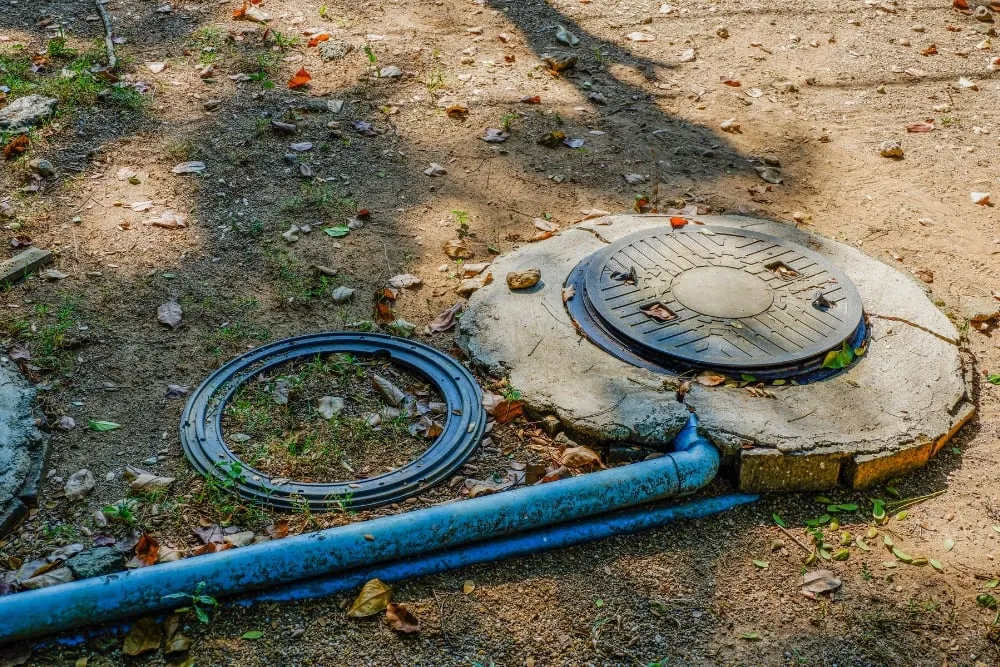
Common Causes of Septic Contamination
Septic issues often start with daily habits that place stress on the system. Over time, these habits can lead to blockages, leaks, or overflow. Most contamination incidents are preventable once the causes are understood.
Key contributors include:
- Flushing items like wet wipes, paper towels, nappies, or sanitary products
- Pouring grease, cooking oil, or cleaning chemicals into sinks
- Using too much water in short periods, such as back-to-back showers or multiple laundry loads
- Tree roots growing into underground pipes and causing damage
- Delayed tank pumping, which allows solids to block the outlet
- Systems installed without considering current household size or usage levels
Each of these issues reduces system performance. In combination, they increase the chance of leaks or wastewater backup. Addressing them early is a practical step that supports long-term function.
Signs That Contamination May Be Occurring
Contamination is not always visible at first. Many systems continue to operate with internal faults that slowly spread waste into the soil or nearby areas. Early signs often appear around outdoor drainage zones or inside household plumbing.
Common warning signs include:
- Patches of wet or soft ground above or near the tank area
- Strong odours around the backyard or bathroom drains
- Gurgling sounds or slow drainage from sinks and showers
- Toilets that do not flush fully or frequently back up
- Unusual green growth in one section of the lawn
- Increased presence of flies or insects near the tank area
These indicators suggest the system is under strain or starting to fail. Ignoring them increases the risk of contamination spreading into soil, groundwater, or connected water tanks. If any of these signs are present, inspection should be arranged immediately.
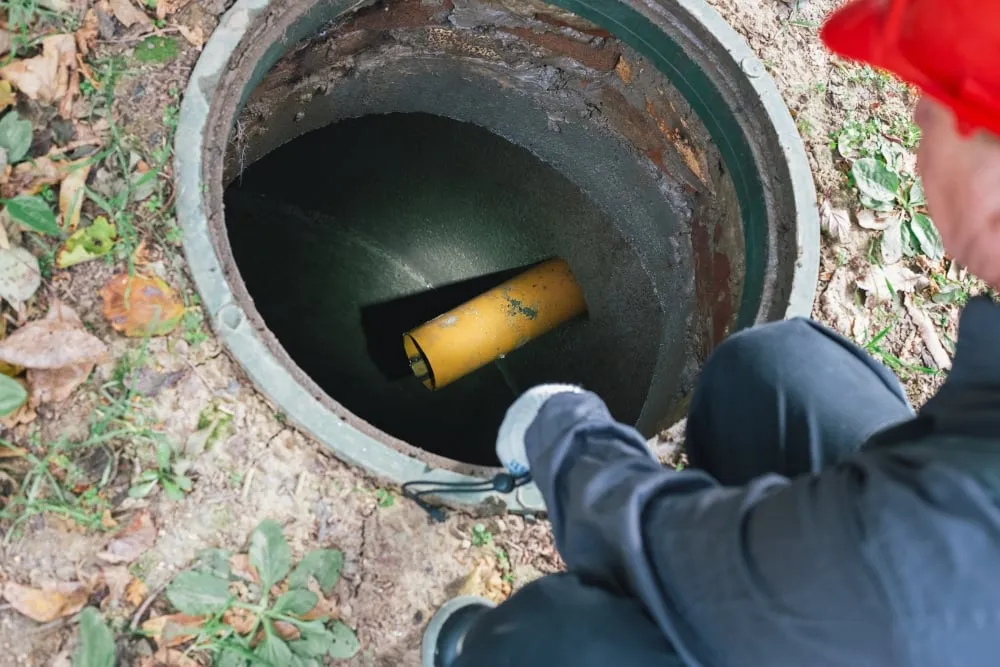
How to Reduce the Risk of Contamination
Septic contamination can often be avoided through basic system care and household changes. The following steps help reduce the chance of leaks, blockages, or system overload:
- Avoid high water loads at once
Spread out showers, laundry and dishwashing across the day. Too much water in a short time can overwhelm the system and force waste through untreated. - Keep foreign items out of the system
Only flush human waste and toilet paper. Do not dispose of wipes, nappies, paper towels, oils, paint or cleaning chemicals through drains. - Check garden layout and root risks
Keep trees and deep-rooted plants away from septic areas. Roots can break into pipes or tanks and cause leaks. - Protect underground components
Do not drive or park vehicles on top of the septic tank or drainage field. Weight and vibration can damage pipes and compact the soil, reducing drainage.
Each of these measures supports system performance and limits the chance of failure. Preventive action is simpler and cheaper than dealing with full contamination.
Why Inspections Matter
Visual checks are not enough to confirm if a septic system is working properly. Internal faults often develop without clear surface signs. A full inspection by a licensed technician can detect leaks, cracks, or overflow risks early, before waste reaches the surface or surrounding water sources.
Inspections are especially important for older systems or properties with increased water use. A technician will check tank levels, confirm drainage flow, and look for signs of system stress. They may also assess whether the tank size matches current household needs.
Service providers like ward septics carry out inspections across Central Coast homes. These checks help prevent emergency failures by identifying small issues that could lead to major contamination if ignored.
For most properties, a system review every few years is a practical step that supports long-term function and environmental safety.
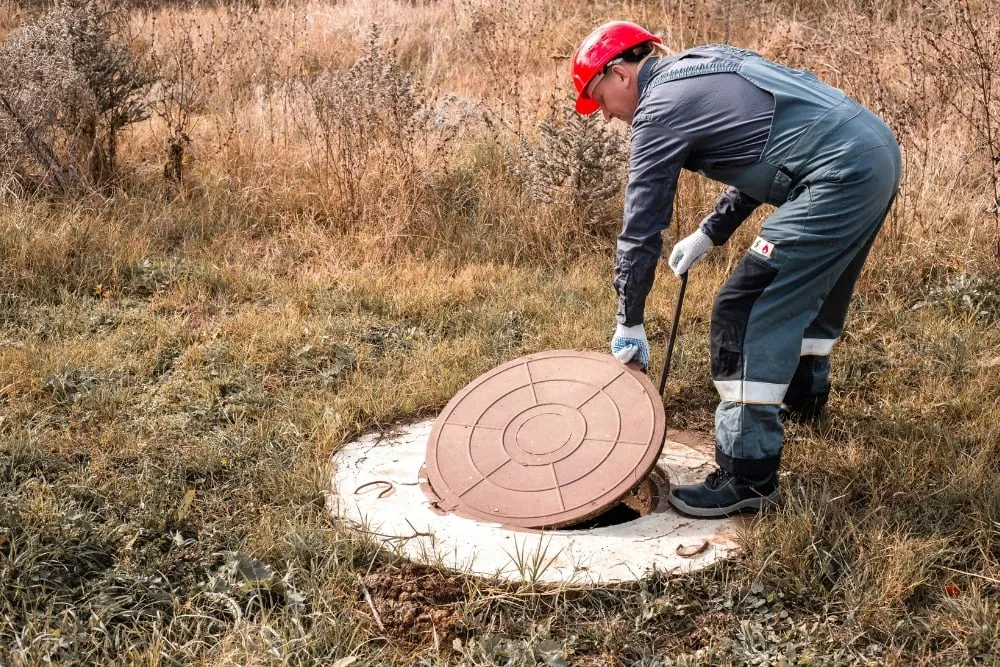
Final Checks Before Problems Start
Ongoing system care helps prevent health risks, property damage, and costly repairs. If it has been several years since your last septic service, or if signs of system strain are starting to show, it’s time to act.
Delaying maintenance increases the risk of contamination spreading into soil, water supplies, or neighbouring properties. In most cases, arranging an inspection or cleaning before issues develop is more cost-effective than dealing with leaks or system failure.
Households across the region rely on septic systems for waste treatment. For scheduled pumping, inspection, or advice, contact septic tank cleaning Central Coast to book a service and reduce the risk of contamination.
Frequently Asked Questions
How often should a septic tank be emptied?
Most tanks need cleaning every 3 to 5 years. The timeframe depends on household size, water use, and tank capacity.
Can I use standard cleaning products with a septic system?
Use septic-safe or natural options. Harsh chemicals can disrupt the bacteria that help break down waste inside the tank.
What happens if I delay septic cleaning?
Solids can block the outlet, causing overflows or leaks. This may lead to contamination of soil, water supplies, and nearby areas.
Is it safe to plant a garden over the septic area?
No. Weight and deep roots can damage the system. Use grass or shallow-root ground cover only.
What should I do if I smell sewage outside?
Strong odours may signal a leak or system failure. Contact a technician to assess the issue and prevent further contamination.