
Septic Cleaning
How to Manage Septic Sludge in Central Coast
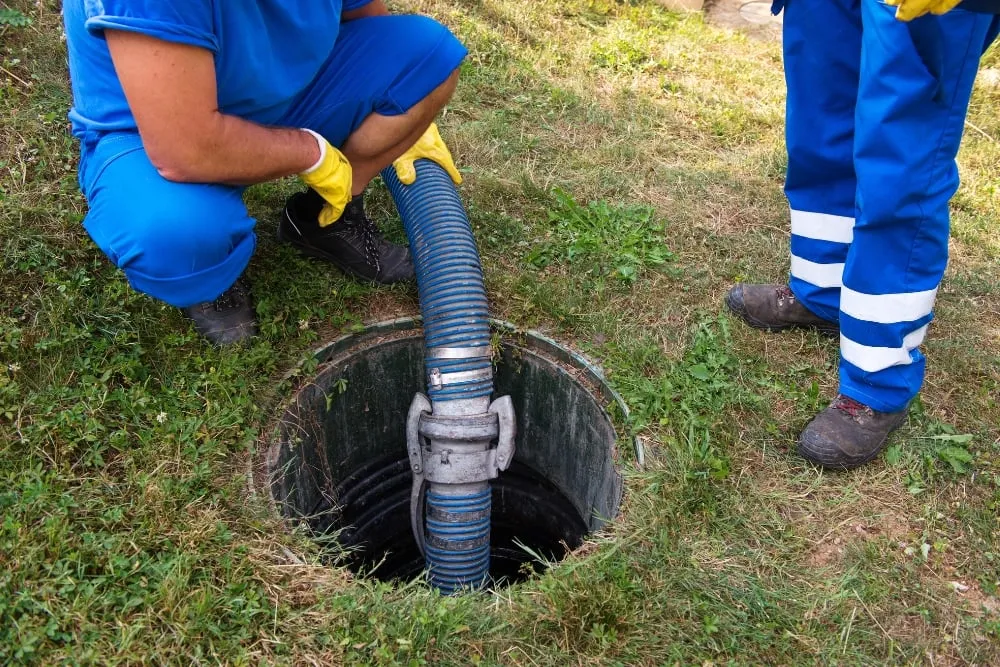
Sludge buildup in septic tanks reduces system capacity and causes wastewater to back up. When solids settle at the bottom of the tank and are not removed, they reduce the tank’s ability to separate liquid waste from solids. This can lead to blockages, surface pooling, and odour issues near the drain field.
In many cases, septic systems are only serviced after problems occur. By that stage, the sludge level may already exceed safe limits. Delayed maintenance increases the likelihood of system failure and can affect surrounding soil and water quality.
Addressing the cause of sludge buildup early reduces health and environmental risks. Property owners can manage this by limiting what enters the system, using appropriate products, and scheduling tank pump-outs.
This article outlines how sludge forms, why it builds up, and what can be done to prevent tank overflow. Regular checks and basic maintenance help reduce costs and protect system function.
Why Sludge Causes Septic System Failure
Sludge is the layer of solid waste that settles at the bottom of a septic tank. It forms from organic waste, grease, soaps, and particles flushed through sinks, showers, and toilets. Unlike liquids that flow to the drain field, sludge stays in the tank and accumulates over time.
As the sludge layer grows, it reduces the available space for liquid separation. When the tank becomes overloaded, solids may reach the outlet pipe or overflow into the drain field. This disrupts the treatment process and increases the risk of contamination.
Signs of excess sludge include slow drainage, surface pooling, gurgling pipes, and strong odours. In more advanced cases, wastewater may back up into indoor plumbing. If untreated, this can result in environmental discharge, property damage, and system failure.
Septic systems are not designed to hold sludge indefinitely. Without scheduled pump-outs, solids build up beyond the system’s capacity. Once sludge interferes with tank function, professional servicing is required to restore operation and prevent further problems.
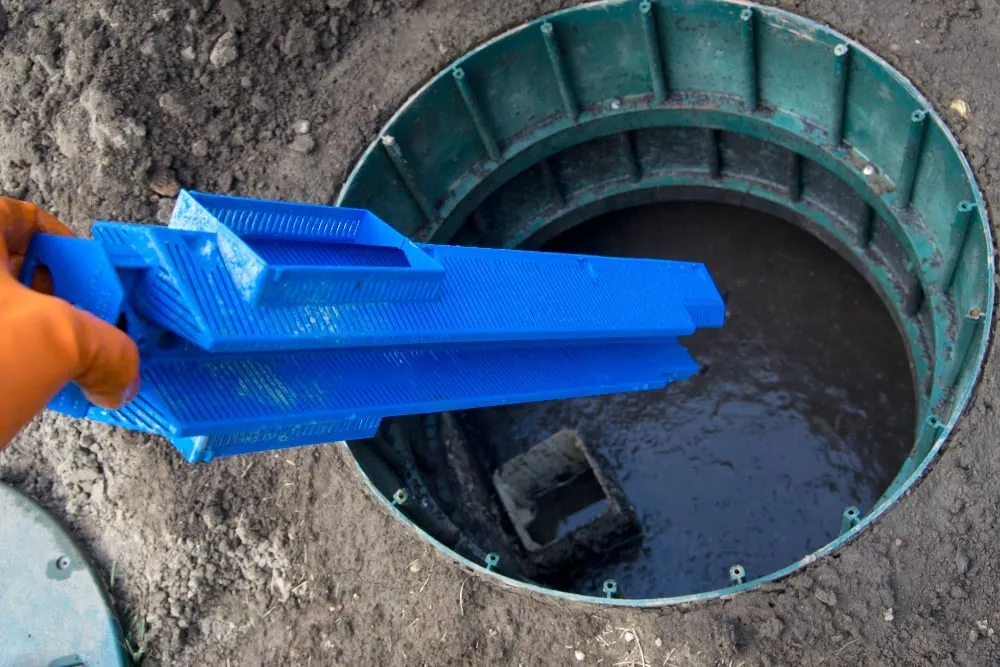
Causes of Excess Sludge Buildup in Septic Tanks
Sludge buildup is often the result of skipped maintenance or poor household habits. Most tanks need to be pumped every 3 to 5 years depending on usage. When this step is delayed, the solids in the tank continue to build up and reduce the system’s efficiency.
Common causes of sludge problems include:
- Infrequent tank pump-outs
- Disposal of grease, oils, or food scraps down the sink
- Excessive use of chemical cleaning products
- Flushing non-biodegradable items such as wipes or paper towels
- Overuse of garbage disposal units
The bacteria in septic tanks help break down organic waste. However, when chemicals are used regularly, bacterial activity drops, allowing sludge to build faster. Once the sludge layer becomes too thick, the tank can no longer treat wastewater effectively.
This issue affects both rural and suburban properties. Older systems or tanks that are too small for the household size are especially at risk. Preventing sludge problems requires consistent servicing and proper disposal habits.
How to Clear Sludge From Septic Tanks
The most direct way to remove sludge is to book a professional septic tank pump-out. This clears the tank of solids and resets its capacity to separate and treat wastewater effectively. If the tank has not been serviced in over three years or drainage is slow, an inspection and pump-out should be scheduled as soon as possible.
Pumping frequency depends on tank size, household water use, and number of residents. A small tank serving a large household may require more frequent servicing.
In addition to pumping, households can take the following steps to reduce sludge buildup:
- Use septic-safe products to avoid disrupting bacterial balance
- Limit disposal of food scraps, oils, and grease into sinks
- Avoid flushing items that do not break down, such as wipes or sanitary products
- Install sink strainers to catch solid particles
- Collect used cooking oil in sealed containers and dispose of it with household waste
Making these adjustments helps keep the system functioning longer and reduces the need for emergency servicing.
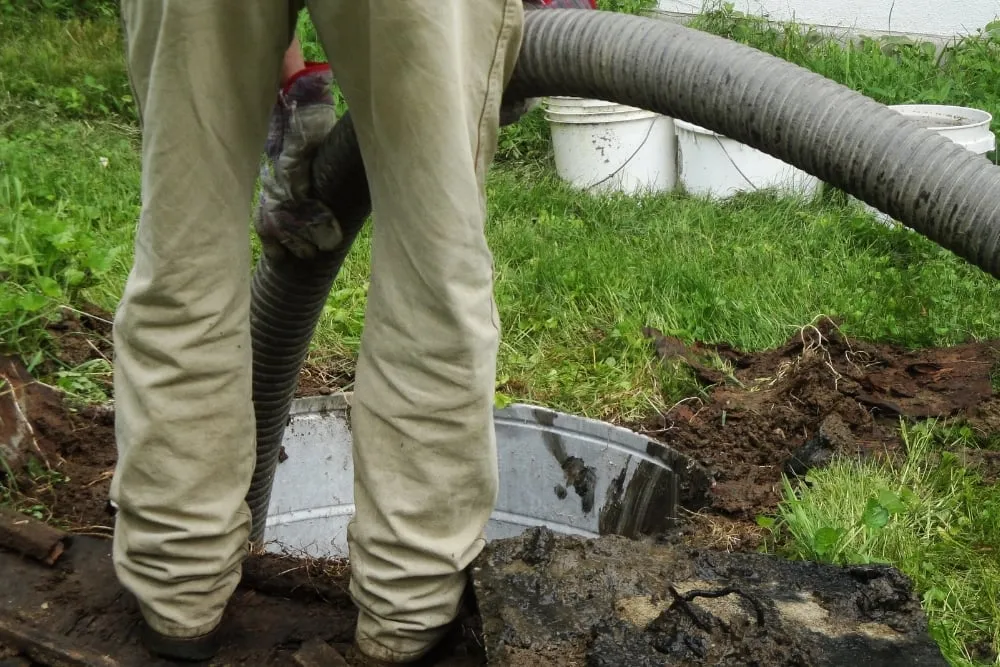
When to Book Immediate Septic System Servicing
Some signs indicate that sludge levels have gone beyond safe limits. These issues may not be resolved through standard pump-outs and often require full inspections and possible drain field repairs.
Warning signs include:
- Gurgling noises from toilets or sinks
- Water backing up into showers, toilets, or sinks
- Surface pooling or wet ground near the tank or drain field
- Strong odours outside the house
- Dense green grass growing only above the drain field
These conditions suggest that solids may have entered the outlet pipe or drain field. If not addressed, the system may stop functioning and pose health and environmental risks.
In these situations, a licensed technician should be contacted without delay. They will check sludge depth, assess tank and pipe condition, and determine if further action is needed.
Delaying response can lead to property damage and increased costs. Early action allows for treatment before system failure occurs. In most cases, identifying the issue quickly reduces the scope and cost of any required servicing.
Book a Septic Tank Service in Central Coast
If sludge levels are high or symptoms such as backups and odours have appeared, schedule a full system check. A licensed technician can assess the tank, measure sludge depth, and remove solid waste through pump-out.
Servicing helps prevent overflow, system failure, and environmental issues. It also supports compliance with local waste management requirements. Most tanks require pump-out every few years, but higher household usage may increase the frequency.
To arrange inspection or cleaning, contact the team handling septic tank cleaning in Central Coast. Services include sludge removal, tank assessment, and safe disposal using EPA-compliant methods.
FAQs
How often should a septic tank be pumped?
Most tanks need to be pumped every 3 to 5 years. Smaller tanks or higher household water use may require more frequent servicing.
Can additives remove sludge buildup?
No. Additives may support bacterial activity but cannot remove sludge. A pump-out is required to clear solid waste from the tank.
What are early signs of sludge accumulation?
Slow drainage, pipe gurgling, and unpleasant odours from outdoor areas often indicate rising sludge levels in the tank.
Is bleach safe for septic tanks?
Occasional use is acceptable, but high volumes or frequent use can reduce bacterial activity. Choose septic-safe cleaning products where possible.
Can sludge damage the drain field?
Yes. If sludge exits the tank, it can clog the drain field and reduce its ability to filter wastewater. This can lead to system failure and surface pooling.