
Wastewater System
Envirocycle and Alternative Treatment Systems: What You Need to Know for Servicing
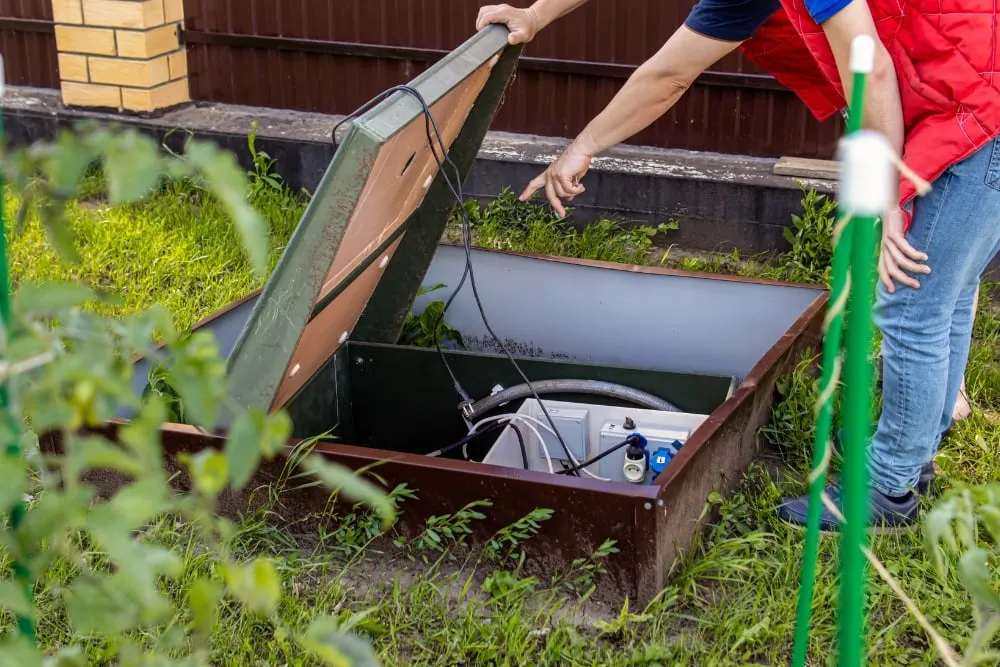
If your Central Coast property runs an Envirocycle or another aerated wastewater treatment system, your servicing obligations are different to a conventional septic tank, and stricter than many owners realise. These systems aren’t a set-and-forget piece of infrastructure. In NSW, they legally require professional servicing every three months and skipping it can leave you non-compliant and the system failing in ways you won’t see until it’s a problem.
This guide explains how these systems differ from a standard septic tank, what their servicing actually involves, and why staying on top of it matters for your compliance, your system, and the treated water it produces.
What is an AWTS, and How is it Different?
Envirocycle is one brand of what’s known generally as an aerated wastewater treatment system, or AWTS. Other names you’ll come across include secondary treatment systems and home sewage treatment plants. They all work on the same principle, and it’s quite different to a conventional septic tank.
A standard septic tank treats wastewater anaerobically, meaning without oxygen. Solids settle, bacteria break down what they can, and the partially treated liquid drains to an absorption trench to filter through the soil. It’s a passive system with no moving parts.
An AWTS treats wastewater to a much higher standard through an active, multi-stage process. It introduces oxygen to support a more aggressive breakdown of waste, then settles and disinfects the result. The treated effluent is clean enough that it’s typically reused on site, usually through garden or surface irrigation, rather than just soaking away underground.
The Treatment Stages
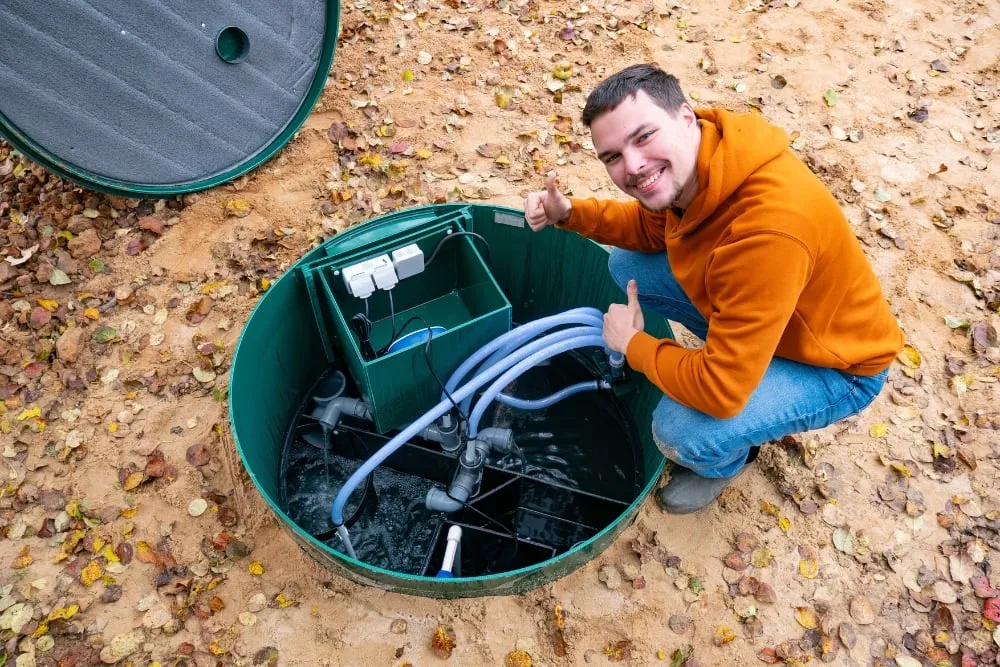
A typical AWTS works through several stages, each handled in its own chamber:
- Primary filtration and settling, where solids are separated out, similar to a conventional septic tank
- Aeration, where a pump or blower introduces oxygen to support the bacteria that break down the waste
- Clarification or settling, where the treated liquid separates from any remaining solids
- Disinfection, usually with chlorine, which treats the effluent to a standard safe for irrigation reuse
That extra machinery, the pumps, the blower, the disinfection system, is exactly why an AWTS needs regular professional attention that a passive septic tank doesn’t.
Quarterly Servicing Is a Legal Requirement, not a Suggestion
This is the part many AWTS owners don’t realise. Where a conventional septic tank needs pumping every three to five years, an AWTS must be serviced every three months by a qualified technician. This isn’t a recommendation. It’s a mandatory condition of NSW Health accreditation and your council approval to operate the system.
The reason is the active treatment process. An AWTS only produces safe, properly treated effluent if its pumps, blower, and disinfection system are all working correctly. Those components wear, foul, and drift out of adjustment over a few months of continuous operation. Quarterly servicing exists to catch that before the system starts discharging poorly treated effluent onto your property.
What the Service Agent Reports to Council
After each quarterly service, the technician is required to submit a service report to your local council, often through an electronic platform, within a set timeframe. This is how councils confirm the system is being maintained. As the owner, you’re entitled to a copy of each service report, and keeping them gives you a clear record of the system’s history.
You also have the right to choose your service agent and to change them if you’re not happy with the service. The agent does need to be suitably qualified or manufacturer-trained to work on AWTS units, so it’s worth checking that whoever you engage has the right experience.
What a Quarterly AWTS Service Involves
A proper service is more than a quick look. The technician checks the working components and the quality of what the system is producing:
- Inspecting and testing the air blower or aeration pump that drives the treatment process
- Checking the irrigation or discharge pump
- Testing and topping up the disinfection system, including chlorine levels
- Checking the effluent quality to confirm it meets the standard for safe reuse
- Inspecting the electrical components and alarms
- Looking over the general condition of the tank, chambers, and irrigation area
A good technician will also flag anything trending in the wrong direction, so a worn pump or a developing fault gets dealt with before it causes a system failure.
AWTS Still Need Pumping Out Too
Quarterly servicing keeps the active components running, but it doesn’t remove the sludge that accumulates in the system over time. Like any wastewater system, an AWTS still needs periodic pumping out to remove built-up solids from the primary chamber. If that sludge isn’t removed, it eventually carries through into the later treatment stages and compromises the quality of the treated effluent, no matter how well the pumps and disinfection are working.
How often depends on the system and the household, and your service agent can advise based on what they see at each quarterly visit. Pairing a pump out with a full tank clean out when needed keeps the whole system performing as it was designed to.
What Happens If You Skip Servicing
Because an AWTS looks after itself between services, it’s easy to assume it’s fine when it isn’t. The consequences of letting servicing lapse fall into a few categories:
- Non-compliance, since quarterly servicing is a legal condition of your approval to operate, which can lead to council action
- Poorly treated effluent being discharged onto your property, creating a health and environmental risk
- Component failures going unnoticed until the system stops working entirely, turning a routine service into an expensive repair
- Disinfection failing, which means the effluent your system is irrigating with may not be safe
One specific thing worth knowing: never turn an AWTS off to save power. The bacteria that drive the treatment process begin to die within hours without aeration, and re-establishing a healthy system afterwards is difficult and may need a technician’s help. The running cost of an AWTS is modest, like a household fridge, and switching it off does far more harm than the saving is worth.
Getting Your System Serviced on the Central Coast
Not every operator service aerated systems. Because AWTS units have active components and specific requirements, you need a technician with genuine experience on these systems rather than a general operator. Paul specialises in servicing Envirocycle and other alternative treatment systems on the Central Coast, alongside conventional septic work, so the whole job is handled by someone who understands how these systems actually run. For Envirocycle and alternative system pump outs across the Central Coast and Hunter Valley, the right equipment and experience make the difference between a system that quietly does its job and one that quietly fails. Get in touch for an obligation-free quote, or call Paul on 02 4313 1654 to sort out servicing or a pump out for your system.